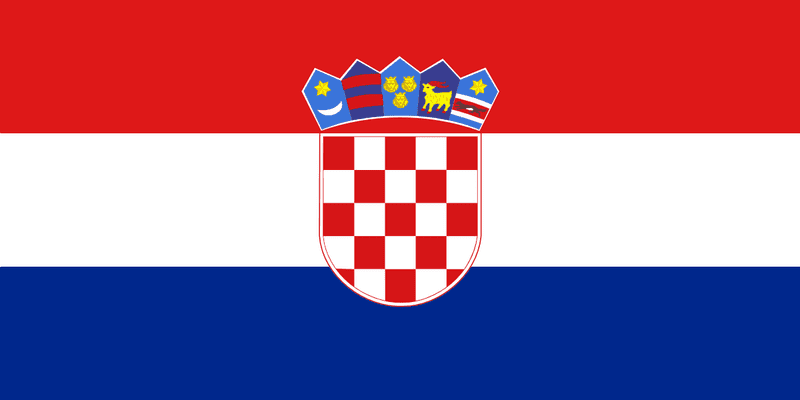

No Croatian law restricts the use of a VPN, and companies, universities and public bodies rely on them every day for remote access. As an EU member, Croatia applies the GDPR, with the Personal Data Protection Agency (AZOP) as its supervisory authority.
Some online content is restricted. Amendments to the Games of Chance Act adopted in 2025 tightened the rules on illegal online gambling, and the telecoms regulator HAKOM is involved in blocking unlicensed sites. Some people reach blocked sites through a VPN or proxy, but such a site stays illegal in Croatia whatever the route, so it pays to be careful.
Technically, a VPN encrypts your connection and swaps your IP address for one from the location you choose. Our blog explains how a VPN works in more detail.